If you have started searching how to stop AI calls, you are not imagining the shift. The calls changed. The voice on the other end no longer sounds like a robot reading a script. It pauses. It answers your questions. Sometimes it sounds like someone you know.
In April 2026, people in the United States received 4.2 billion robocalls. That works out to about 13 calls per person, roughly 140 million a day, or 1,600 every second. The volume alone is not new. What is new is that a growing share of those calls are generated and voiced by AI, which breaks most of the defenses people set up years ago.
This guide covers what actually works in 2026: the free tools already on your phone, the ones worth paying for, and the honest limits of each.
How AI Calls Are Different From Old Robocalls
Old robocalls were easy to spot. A recording played whether or not you said anything. Dead air followed by a click meant an autodialer had reached you before an agent was free. Blocklists worked reasonably well because scam operations reused numbers and scripts.
AI calls break that pattern in three ways.
They respond. A conversational AI agent handles interruptions and objections. The old advice to ask an unexpected question and listen for a stumble no longer separates human from machine.
They sound like specific people. Scammers clone voices from audio that is already public. A few seconds of a TikTok video, a YouTube upload, or a voicemail greeting is enough. The FBI's IC3 report for 2025, released in April 2026, logged 22,364 AI-related fraud complaints with reported losses of $893,346,472. The classic version is the grandparent scam: a distressed voice that sounds like a grandchild, calling from an unfamiliar number, needing money immediately.
They scale. Generating a thousand unique conversations costs almost nothing now. Number rotation is cheap, so a blocklist built on last week's numbers is already stale.
Worth knowing: this is illegal, not a legal gray area. In February 2024 the FCC issued a Declaratory Ruling that AI-generated voices count as "artificial" under the Telephone Consumer Protection Act, which makes voice cloning in robocalls unlawful on its face. The FCC now coordinates with attorneys general in 48 states and has issued hundreds of millions of dollars in enforcement actions. Enforcement helps at the network level over time. It does not stop the phone ringing this afternoon.
Tired of spam calls? Let Assindo answer unknown numbers for you.
Get AssindoQuick Answer: How to Stop AI Calls in Under 10 Minutes
If you want the short version, do these five things in order. Each one is free unless noted.
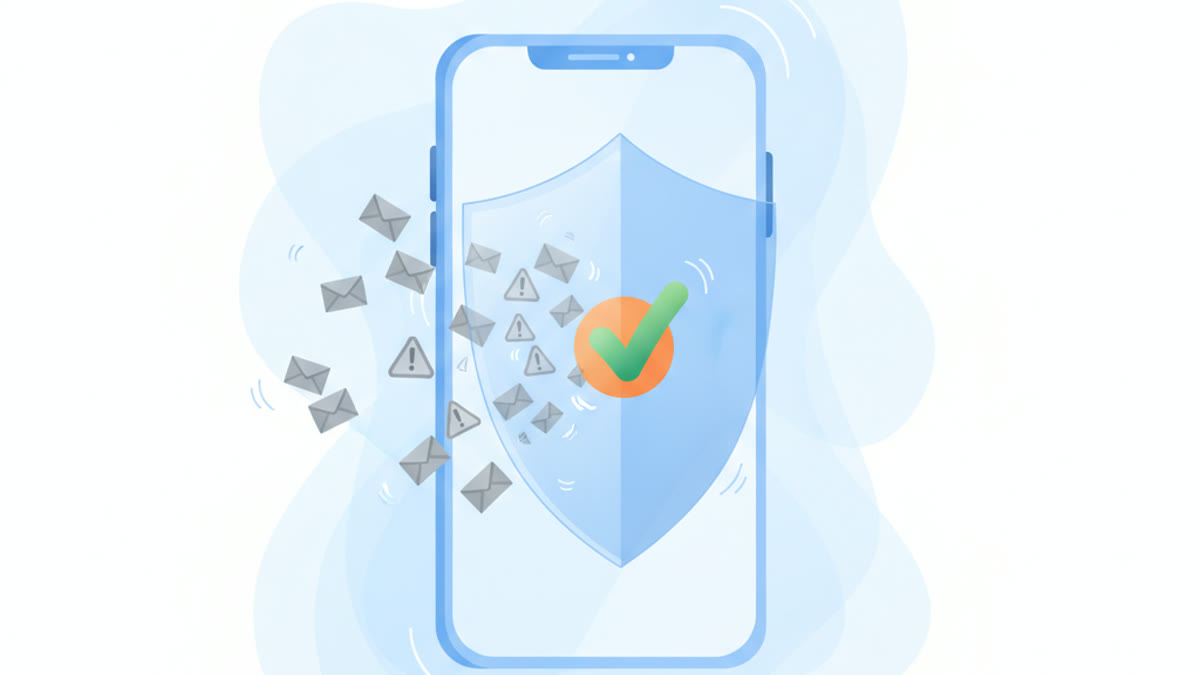
1. Turn on your carrier's blocking. T-Mobile Scam Shield, AT&T ActiveArmor, and Verizon Call Filter all have free tiers. This kills traffic before it reaches your handset. 2. Turn on silencing for unknown numbers. On iPhone this is Silence Unknown Callers. On Android, look for spam and call screen settings in the Phone app. 3. Turn on call screening if your phone has it. iOS 26 lets Siri answer unknown calls, ask who is calling and why, and show you a live transcript. Google Pixel's Call Assist does the same on device. 4. Add a community blocklist app if calls still get through. Hiya, Robokiller, and Truecaller all draw on shared reporting. 5. Set a verification word with your family. One shared phrase, agreed in person, that a cloned voice cannot know. This is the only item on the list that defends against a voice you recognize.
Layering these typically removes 90 percent or more of unwanted calls. The remaining 10 percent is the part worth understanding, because that is where the expensive mistakes happen.
Free Tools: Your Carrier and Your Phone
Start with the carrier, because it filters upstream.
- T-Mobile Scam Shield is free, with a premium upgrade for extra controls.
- AT&T ActiveArmor blocks known fraud calls and flags suspected spam.
- Verizon Call Filter is free at the basic tier, with a paid tier around $2.99 a month that adds caller ID for unknown numbers and a personal blocklist.
Then the handset.
iPhone. Silence Unknown Callers sends anyone not in your contacts, recent outgoing calls, or Siri suggestions straight to voicemail. It is blunt and effective. The newer call screening in iOS 26 is better for most people: Siri picks up, asks the caller to state their name and reason, and shows you the transcript in real time so you can take the call or let it go.
Android. Availability depends on the manufacturer. Google's Call Assist on Pixel answers unknown calls with on-device AI and transcribes as it goes. Samsung ships Smart Call on its own dialer. The Phone by Google app installs on most Android phones, though the full AI screening remains a Pixel feature.
These tools share one design assumption: an unknown number is suspicious, and a known number is safe. AI voice cloning attacks that assumption directly, which is why the next section matters.
What Blocklists Cannot Catch
A blocklist answers one question: has this number misbehaved before? Three common situations produce a "no" when the honest answer should be "be careful."
Spoofed numbers you trust. Caller ID is trivially forged. A cloned voice arriving on a spoofed number from a family member's phone passes both the number check and the voice check.
Fresh numbers. A number used for the first time has no reputation to fail on.
Calls you are expecting. Scammers time calls to tax deadlines, delivery windows, and holiday travel, when an unexpected call about a real thing in your life is plausible.
This is the limit of screening by identity. Beyond it, you need screening by content: not who is calling, but what they want and whether the story holds up.
AI Call Screening: Fighting AI With AI
AI call screening puts a layer between the ringing phone and your attention. Instead of deciding from a number, an AI assistant answers, finds out what the caller wants, and hands you the summary.
The practical difference is that a screener is not persuaded. It does not feel urgency when a voice says a family member is in trouble. It collects the claim, writes it down, and passes it to you while you are calm and have the option to hang up and call the real number back.
Three levels exist in 2026:
On-device screening. iOS 26 call screening and Pixel Call Assist. Free, private, and good at the common case. They handle the call while it is happening, and you are still expected to be present.
App-based blocking. Hiya, Robokiller, and Truecaller. Strong on known-bad numbers through shared reporting. Weaker on a first-time number with a cloned voice.
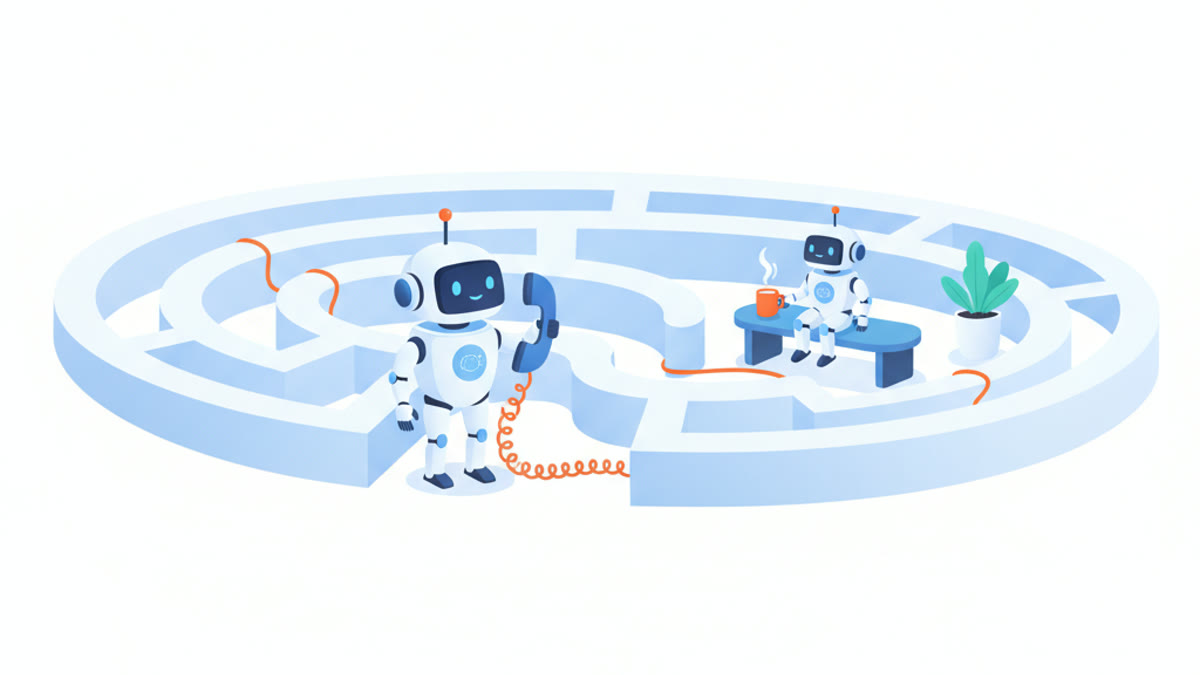
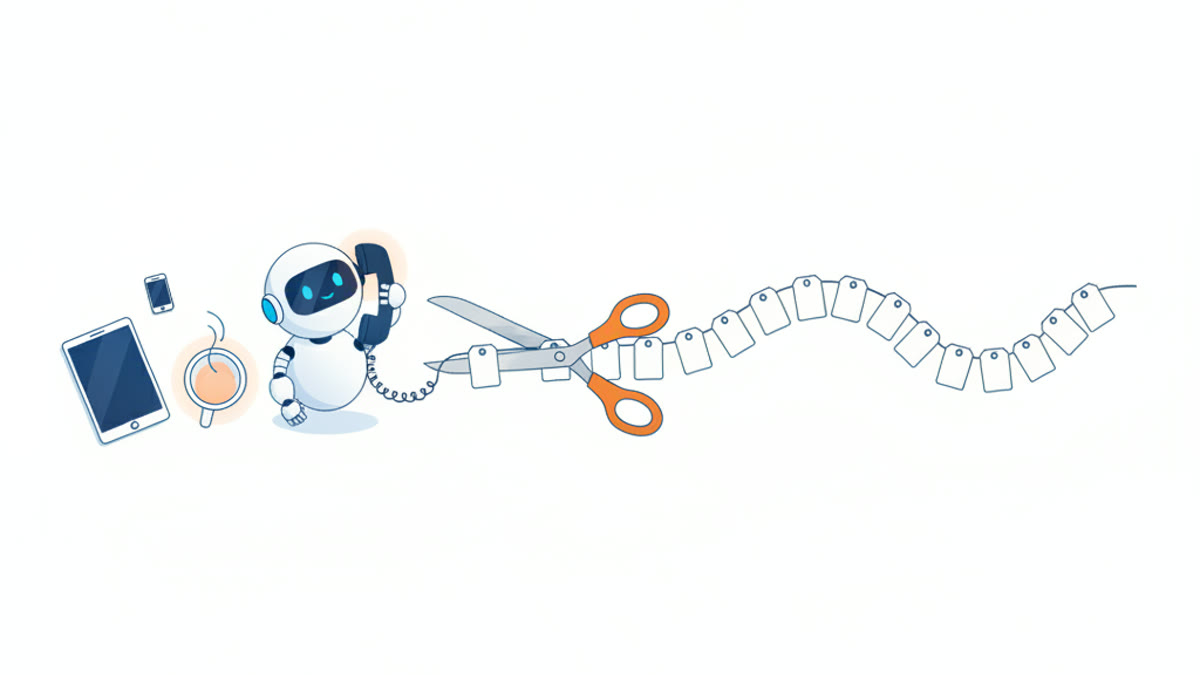
An AI agent that answers for you. This is where Assindo sits. It answers calls you cannot take, asks questions, writes down what the caller wanted, and turns anything that needs doing into a task. Because the AI assistant is the one on the line, an urgent-sounding voice gets a transcript rather than a decision. It also works in the other direction, making calls on your behalf, sitting through hold music and phone menus so you do not have to.
No screening tool is a guarantee. A determined caller can leave a convincing voicemail. What screening buys you is time and a written record, which is usually enough to break the pressure a scam depends on.
How to Stop AI Calls Without Missing the Ones That Matter
The failure mode of aggressive blocking is missing something real. Pharmacies, schools, clinics, contractors, and delivery drivers all call from numbers you have never seen.
A few habits keep the filter tight without cutting you off:
- Save the numbers you rely on. Doctor, school, pharmacy, landlord, vet. Contacts bypass most silencing rules.
- Check voicemail and screening transcripts once a day rather than reacting live. Real callers leave messages. Most scam calls do not.
- Let screening answer, then decide. A transcript costs seconds and removes urgency from the equation.
- Call back on a number you look up yourself, never the one you were given on the call.
- Report what gets through. Community lists only work if people feed them.
If you run a small business, the calculation shifts. Silencing unknown numbers means silencing new customers. Screening rather than blocking is the right default, because every call gets answered and you keep the record.
What to Do If an AI Voice Scam Reaches You
If a call sounds like someone you know and asks for money, gift cards, or codes:
1. Stop and hang up. Urgency is the tell. Nothing genuine collapses because you called back in two minutes. 2. Call the person on the number you already have. Not the one that called you. 3. Use your family verification word. 4. Do not read out any code sent by text. No legitimate caller needs one read back. 5. Report it to the FTC at reportfraud.ftc.gov and to the FBI's IC3 at ic3.gov. Those reports feed the enforcement actions that shut networks down.
Tell the people most likely to be targeted, especially older relatives, about the cloned-voice pattern specifically. Knowing the trick exists is most of the defense.
The Bottom Line
The honest answer to how to stop AI calls in 2026 is that no single switch does it. Carrier filtering removes the bulk. Phone-level silencing removes most of the rest. Screening handles the calls that get through, and a shared verification word covers the one case technology cannot: a voice you recognize saying something urgent.
The pattern worth noticing is that the useful defenses have stopped trying to identify callers and started listening to them. That is the direction the whole category is moving, because it is the only approach that still works when the voice itself can be faked.
Let an AI agent answer the calls you cannot take
AI voice scams work on urgency, so put something between the ring and your attention that never feels rushed.